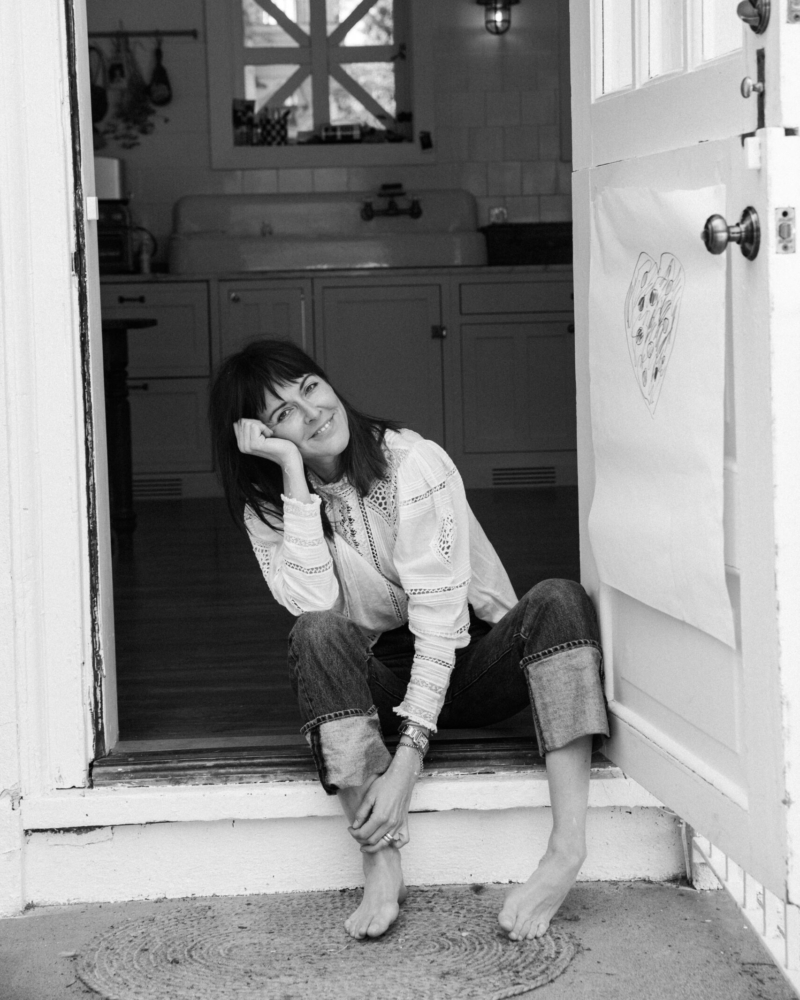
To know her is to love her… and today we’re catching up with interior designer — and longtime friend — Leanne Ford. Known for her modern yet effortlessly lived-in aesthetic and signature “white on white” palette, Leanne has a way of creating spaces that feel both refined and entirely approachable. She began her career in fashion before gaining national recognition for restoring a historic schoolhouse in her hometown of Sewickley, Pennsylvania. She’s since starred in HGTV’s Restored by the Fords and Home Again with the Fords and collaborated with beloved brands like Crate & Barrel, Target, and Loloi Rugs.
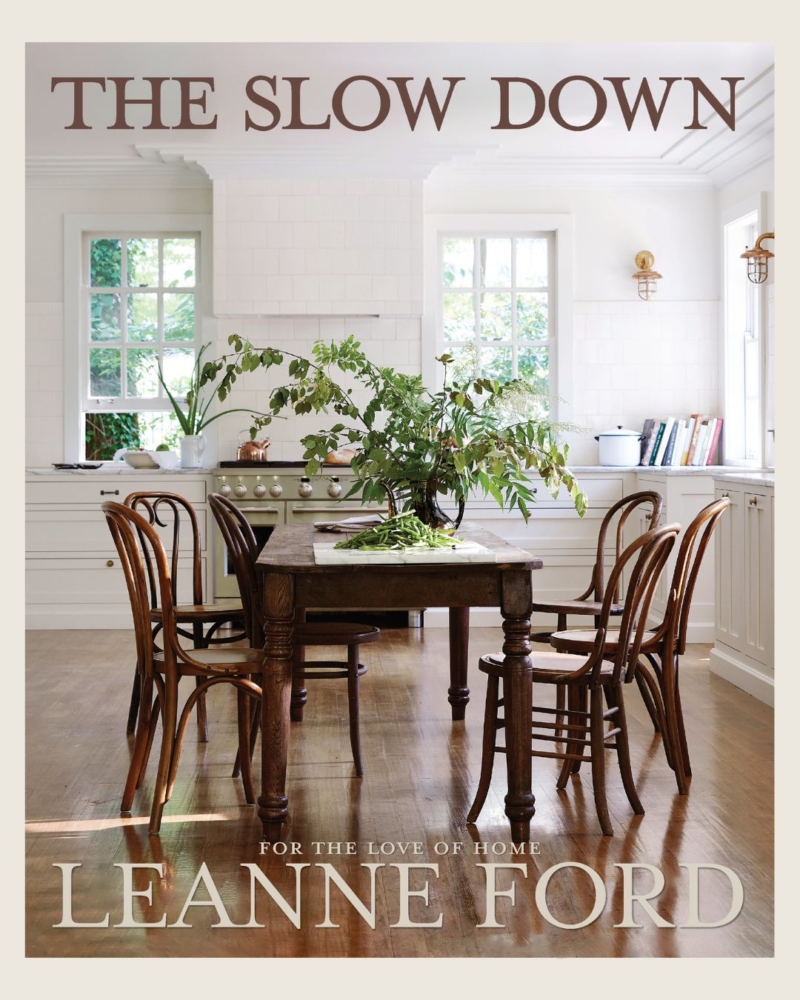
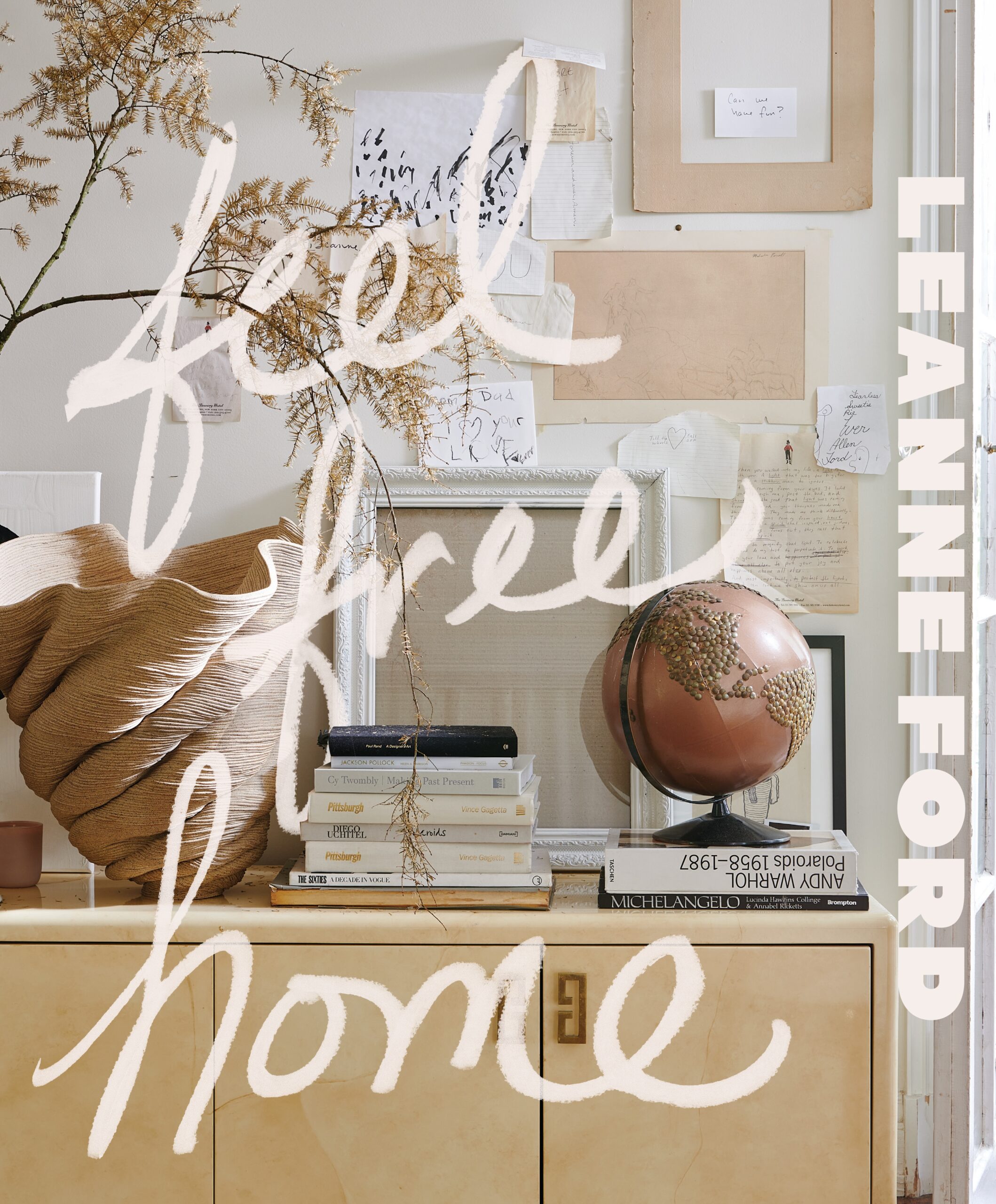
Leanne is the founder of Feel Free Magazine and the author of The Slow Down. Her newest book, Feel Free Home, is the ultimate issue of the magazine brought to life — an inspiring, hands-on guide to creating spaces rich with texture, nature, vintage finds, art, and personality. It’s available now for preorder, with an official release on May 12, 2026.
If it’s not already clear, she’s truly someone who does it all! *queue I’m Every Woman by Whitney Houston* We couldn’t be more excited to sit down and catch up with this endlessly inspiring designer, creative, and entrepreneur.
So, without further ado…
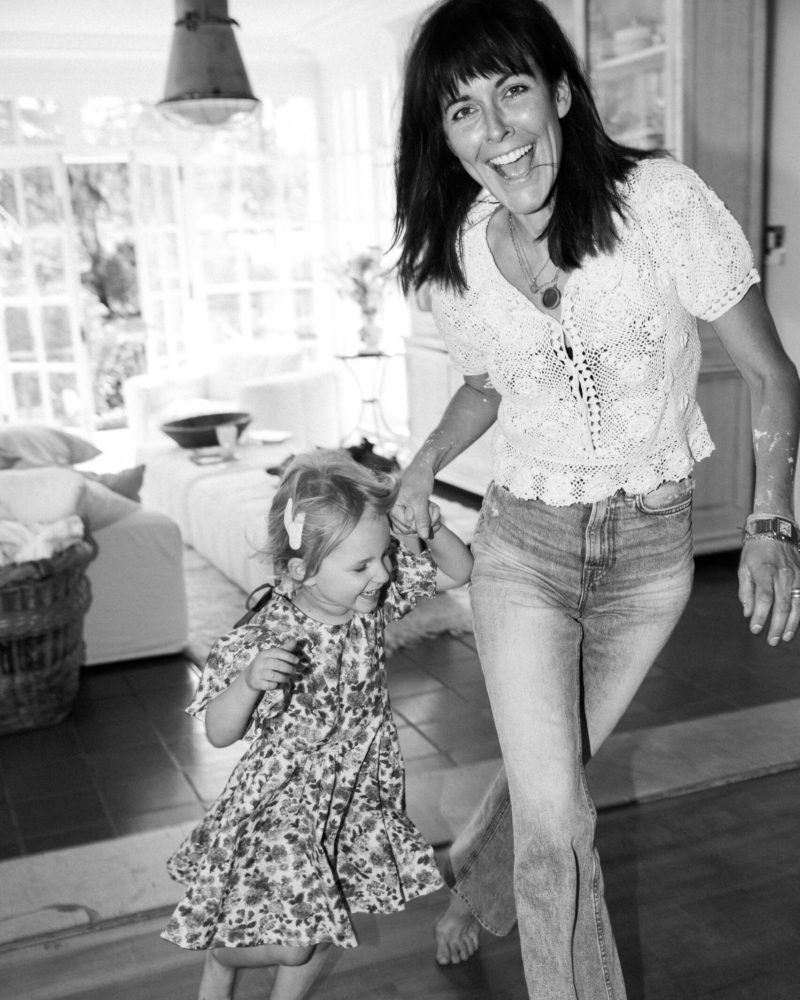
a conversation with Leanne…
1
We’re so excited to be chatting with you again! What’s new?! Could you share a brief look into your life and career since the last time that we spoke in 2019?
So much life has happened since we last spoke in 2019. It’s been a really full chapter.
In 2020, we stepped away from Los Angeles and moved back to Sewickley, Pennsylvania, a small town just outside my hometown of Pittsburgh. At the time I thought it would be a bit of a sabbatical during the first few years of my daughter’s life. I was craving slower mornings and more presence, and that shift ended up changing me creatively in the best way. Now I’m in the process of bringing Los Angeles back into our lives, which feels like a really cool full-circle moment.
While I was home, I poured into the local community. I took on a few pro-bono projects for small Sewickley businesses and renovated a couple of houses, including our Church Lane and Brookside projects. I also took on my biggest project to date: renovating our own family home there.
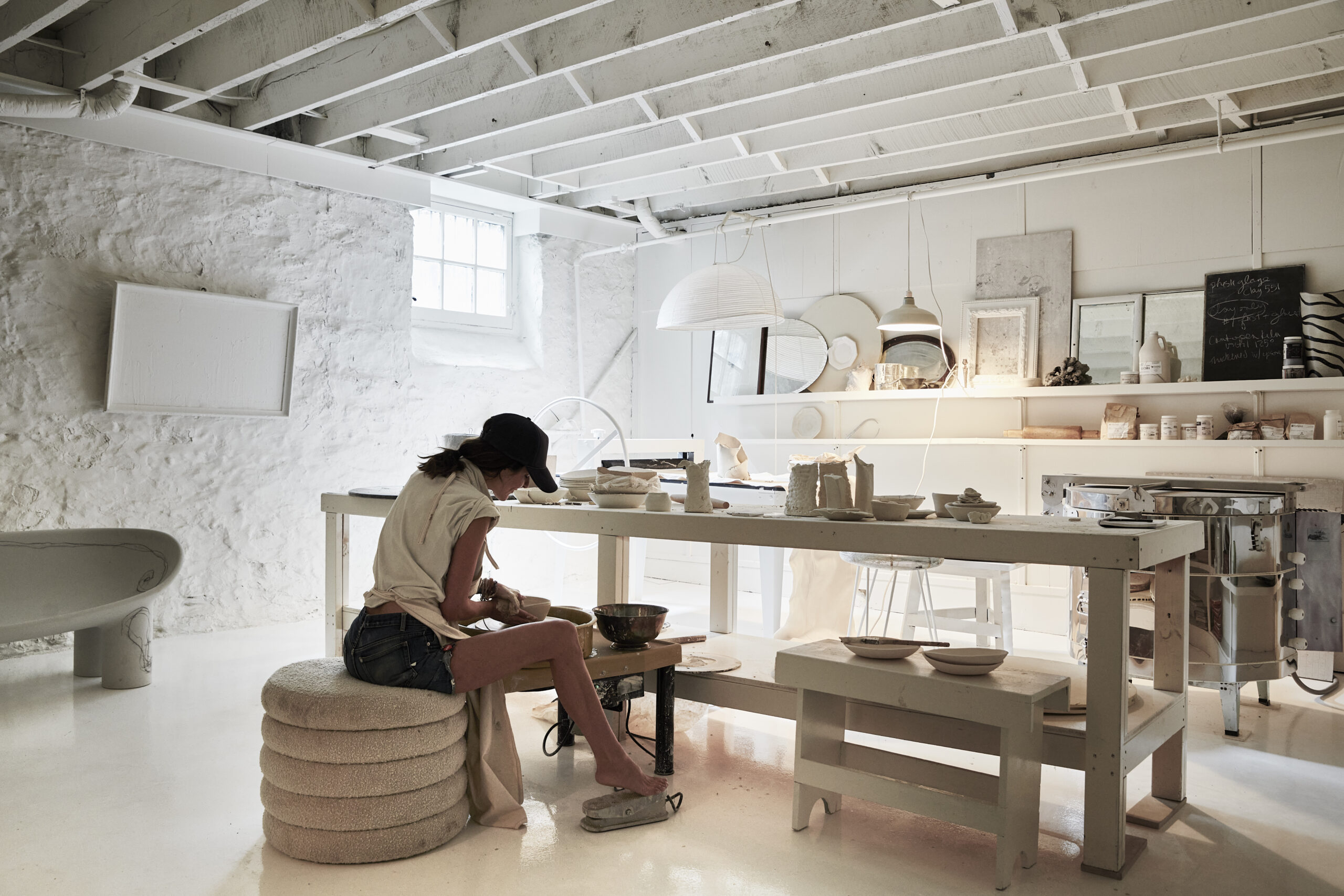
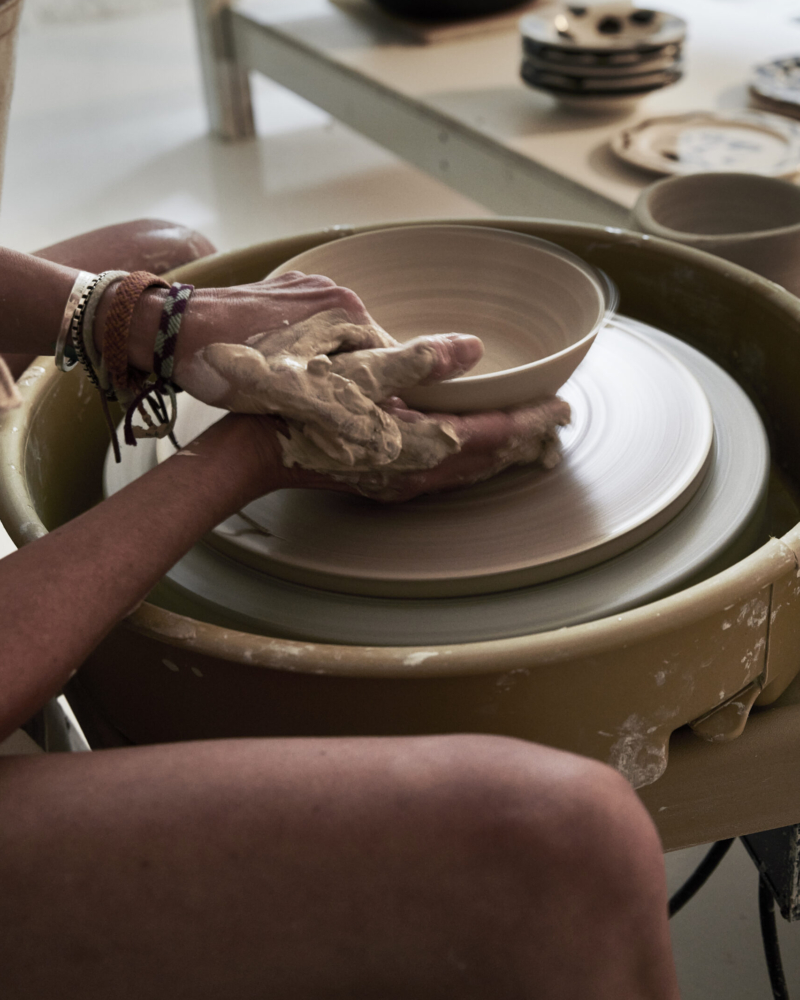
In that home I also had my first-ever dedicated art studio, which is where I fell in love with ceramics. Working with my hands, making imperfect things, and creating just for the joy of it really expanded how I think about art and design living together. That time in the studio led to some new collaborations I’m really excited about, including a dinnerware collection with Il Buco Vita and my own line of ceramics designed directly with factories of ceramicists in Portugal.
Around that same time, I even got back to my songwriting days and started writing a musical with friends. It has been such a creatively freeing and unexpected outlet.
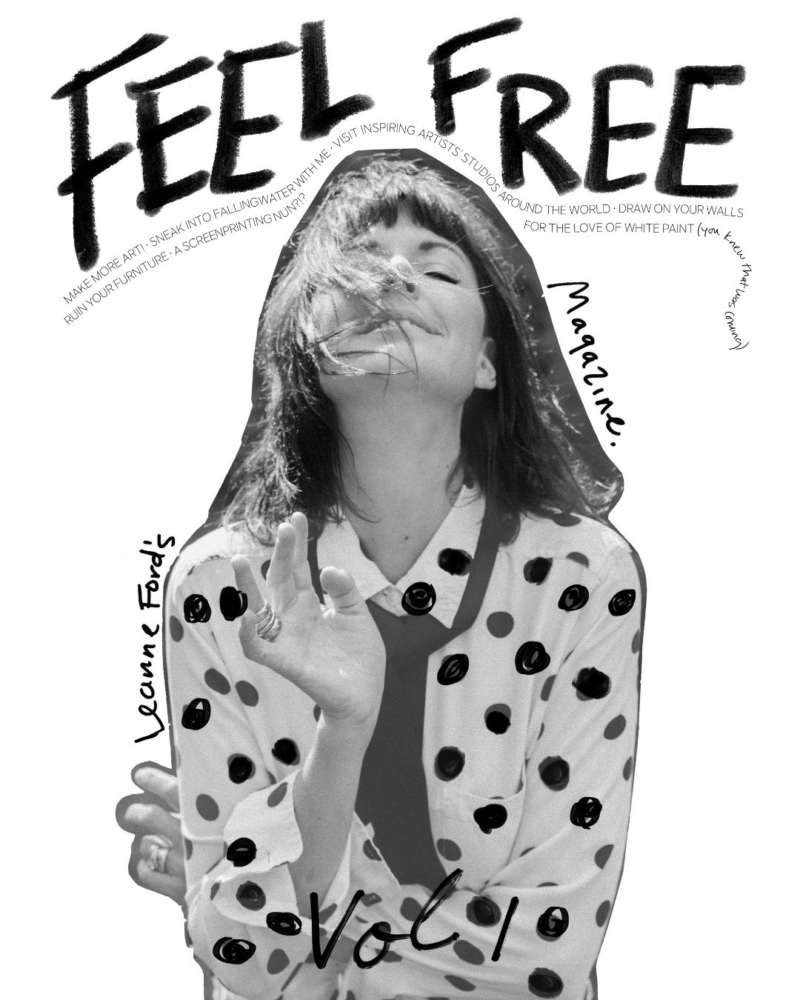
Professionally, we finished filming the final season of Home Again with the Fords for HGTV. I launched FEEL FREE Magazine, an art-forward publication, wrote my first book The Slow Down, and now my second book, FEEL FREE Home, comes out May 12th. It really feels like the ultimate expression of my design philosophy.
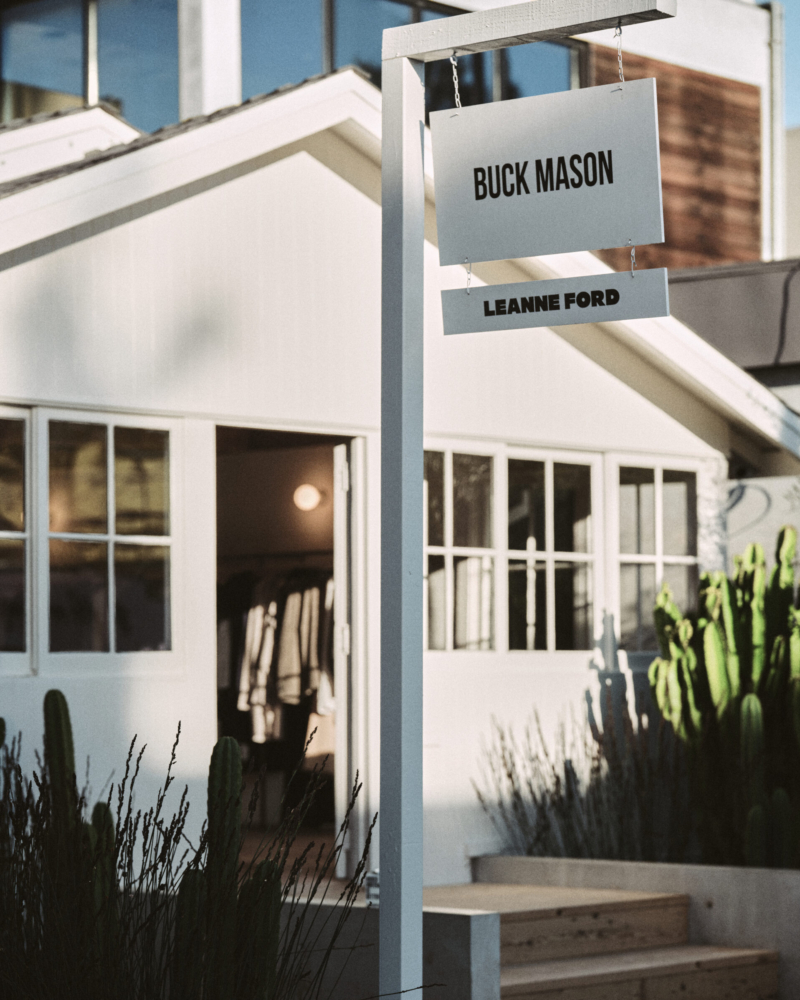
I’ve also continued designing product collections with wonderful partners like Crate & Barrel, Crate & Kids, and Loloi Rugs. I opened my first two retail shops in collaboration with Buck Mason, one in Sewickley and one in Los Angeles. Over the years I went from designing all of their retail environments to handing off my “recipe” of creative ingredients to their incredibly capable in-house team. Now I get to sit shotgun for many of their build-outs and watch them execute the blueprint we’ve built together over the last two decades, while staying closely involved with the two locations that also carry my homewares.
And maybe most importantly, I’ve found so much joy in creative collaboration with friends. I’ve had the chance to work alongside Amy Neunsinger and Christina Simon on different projects over the years, which has been such a gift creatively. I’ve also been partnering more continuously with Grace Mitchell in Round Top, Texas as The Rough Housers, restoring and reimagining properties together — homes that you can actually come stay in when you visit (check them out here: Round One and Round Two).
It’s been a season of slowing down, creating freely, and following whatever feels inspiring in the moment.
2
You’re known for your unconventional mixing of old and new, creating deeply soulful spaces that celebrate history while still feeling fresh and contemporary – How would you describe your design ethos today?
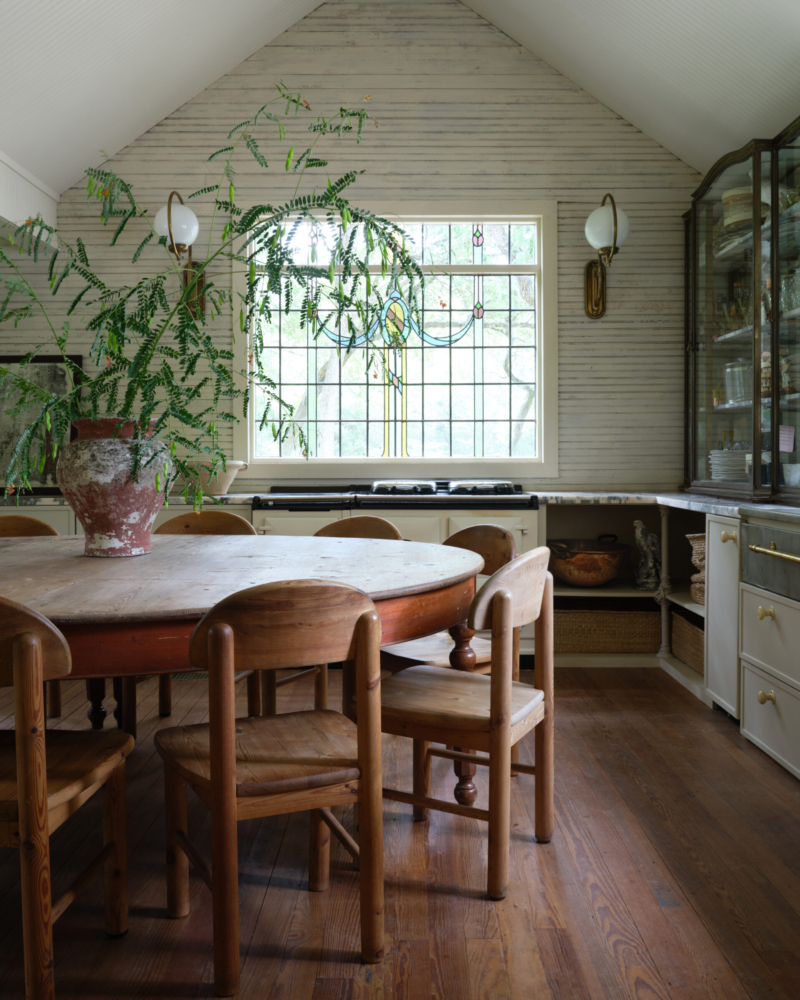
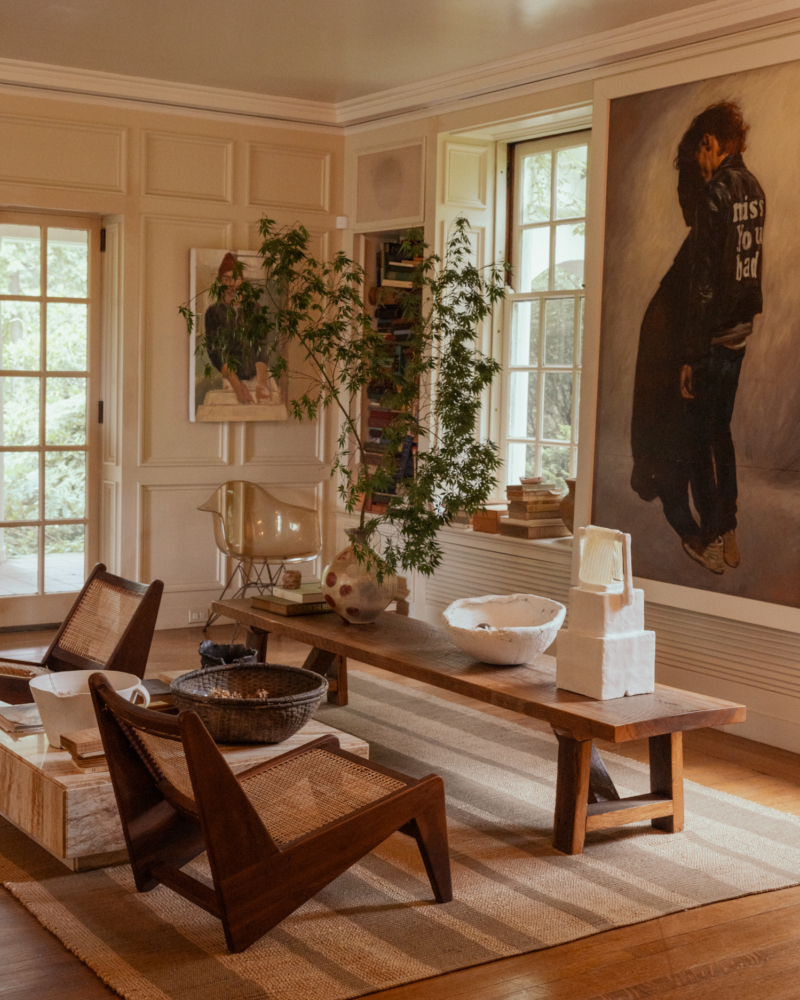
I still mix old and new, honestly, I mix everything. Old and new, high and low, modern and traditional. I want spaces to feel human, lived in, and layered in a way that tells a story.
I’m always thinking about texture, nature, vintage, art, and personality — those elements show up in everything I create. My new book is actually dedicated to those five elements. If a room has them, it automatically feels more soulful and grounded.
I don’t want homes to feel decorated… I want them to feel curated. Like they came together slowly over time instead of all at once. That’s usually where the magic lives.
So whether I’m working on a new build or a 100-year-old house, the goal is the same: honor the architecture, bring in materials that age well, and create spaces that feel timeless.And I almost always try to bring in a touch of the unexpected, a little bit of “weird,” because that’s what makes a space feel personal and alive.
3
You have such a talent for repurposing vintage pieces and found materials. How do you balance breathing new life into an object or space while still honoring its original character?
You have such a talent for repurposing vintage pieces and found materials. How do you balance breathing new life into an object or space while still honoring its original character?
I try really hard not to over restore things.
When something has age, wear, or patina — that’s the magic. That’s the story. I’m never trying to erase that; I’m just trying to give it a second life.
That said, I’m also not precious about vintage pieces in a way that keeps them frozen in time. I’m not afraid to paint something if it helps it live better within the overall color story of a space. For me, paint is one of the easiest ways to bridge past and present.
Because of that, I often find myself focusing less on the original finish of a piece and more on its shape and scale. If the bones are right — the proportions or the silhouette— I know I can adapt the surface to make it feel at home.
4
You published The Slow Down in 2024, a beautiful and insightful design book–meets–memoir about how you turned your “wow does this need work” 1900s Pennsylvania country house into your family’s dream home. What made you want to tell that story, and what did that house teach you?
The book actually came out of a really specific moment in time.
During the pandemic, we relocated back to my hometown to slow down and raise our daughter. I found myself being incredibly present for those early years of her life in a way I might not have been otherwise. The pace of everything shifted — personally, professionally, creatively. Writing The Slow Down felt like a response to that moment. It was a reflection on what it means to step off the treadmill for a minute and really live inside your life and your home.
The house became the perfect backdrop for that story because it was admittedly like nothing I had ever done before or even been drawn to. I typically gravitate toward homes that feel very casual and relaxed, but this one was built over 100 years ago with a much more formal lifestyle in mind. When we first got it, it had ornate custom moldings, formal rooms, and even a harp sitting in the living room. It felt like stepping into a completely different era.
My challenge became figuring out how to honor that history while still making it feel like us. I didn’t want to strip away its character, but I also didn’t want to live in a house that felt frozen in formality. The design process became about marrying the two. We kept the architectural integrity while softening it through materials, furnishings, and the way we actually lived in the space day to day.
It taught me that even the most formal homes can feel warm and approachable if you let them evolve a little. You don’t have to erase the past to live comfortably in the present. You just have to find the balance between respecting what was there and making room for real life to happen inside it.
That tension between slowing down, raising our family, and reshaping a home to fit a new pace of life is really what made me want to tell its story.
5
Tell us a bit about how you find inspiration. What factors have played roles in the development of your design style and evolving aesthetic?
Tell us a bit about how you find inspiration. What factors have played roles in the development of your design style and evolving aesthetic?
Everything inspires my work. Everywhere you look, everything you see, everything you listen to and think about eventually makes its way into what you put out into the world.
But music has always been my go-to. Music, musicals, musician biographies… that’s what I turn to again and again. There’s something about the storytelling, the artistry, the rhythm of it all that feels really connected to how I design and live.
6
Between design meetings, project installs, photoshoots, family, and everything in between, you juggle so much! Tell us what a typical day-in-the-life looks like for you.
Between design meetings, project installs, photoshoots, family, and everything in between, you juggle so much! Tell us what a typical day-in-the-life looks like for you.
Not a single day in my life looks like the last.
I wake up, I thank God for another day, drink a cup of tea, and see what the day brings. Oh, and almost every day includes a bath. That’s where I do my best thinking.
7
How do you find balance within it all?
How do you find balance within it all?
I’ve learned that there are output days and input days, and I try to go with the flow of both. They’re equally important to creating.
Some days I’m meant to make, move, and produce. And some days my job is simply to notice — to read, to walk, to listen, to be quiet.
I’ve set up my life and my company to protect that. I’ve purposely kept things small so I don’t end up in meetings all day or running a business instead of being an artist. I’m very protective of my inner world and what I let in. I don’t scroll. I’m not watching TV in the background just to fill space.
I’d rather be in the art studio with my daughter, listening to a record, or taking a bath in silence.
8
What’s the best professional advice you’ve ever received?
The best professional advice I’ve ever received is actually a Quincy Jones quote I come back to all the time: “Leave space for God to walk into the room.”
It applies to music, to art, to design — to everything. You can’t overfill a space or overwork an idea and expect magic to happen. You have to leave room for something greater to enter.
That mindset has shaped how I create. Sometimes what you don’t do is just as important as what you do.
9
What is a design-related trend or element you’re loving right now? And not so much?
Honestly, what I’m loving most right now is that there isn’t just one style dominating the market.
It feels like people are finally giving themselves permission to do their own thing. There’s space for personal taste again — for homes that feel individual instead of trend driven.
I’m seeing people mix eras more freely, embrace color if they want to, or keep things minimal if that’s what feels right to them. There isn’t as much pressure to fit into one aesthetic box, and I think that creative freedom is really refreshing.
10
What’s next for you? How do you hope your work continues to shape the industry and inspire others?
Right now I’m really excited about the release of my next book, Feel Free Home.
It’s designed to feel more like a workbook than a traditional design book — something you can mark up, dog-ear, tear pages from, and actually use while creating your own space. I like to think of it as a bit of a “steal my style” book. It’s less about my work and more about giving people the tools and confidence to trust their own instincts.
Beyond that, I just want to keep creating in ways that feel honest. Designing homes, making products, making art, opening spaces, collaborating with friends, exploring new creative outlets — all of it feeds the same goal. To live creatively.
If my work continues to shape the industry in any way, I hope it’s by giving people permission. Permission to play: mix eras, break rules, trust feeling over perfection, and to create homes and things that feel like them.
rapid fire with Leanne…
1
Favorite place to visit to spark inspiration?
The Round Top Antiques Show — wide open fields of gorgeous old furniture… works every time!
2
Favorite space in your home?
My art studio.
3
Current go-to interior paint color?
Shoji White from Sherwin Williams!
4
A design “rule” you always follow — or always break?
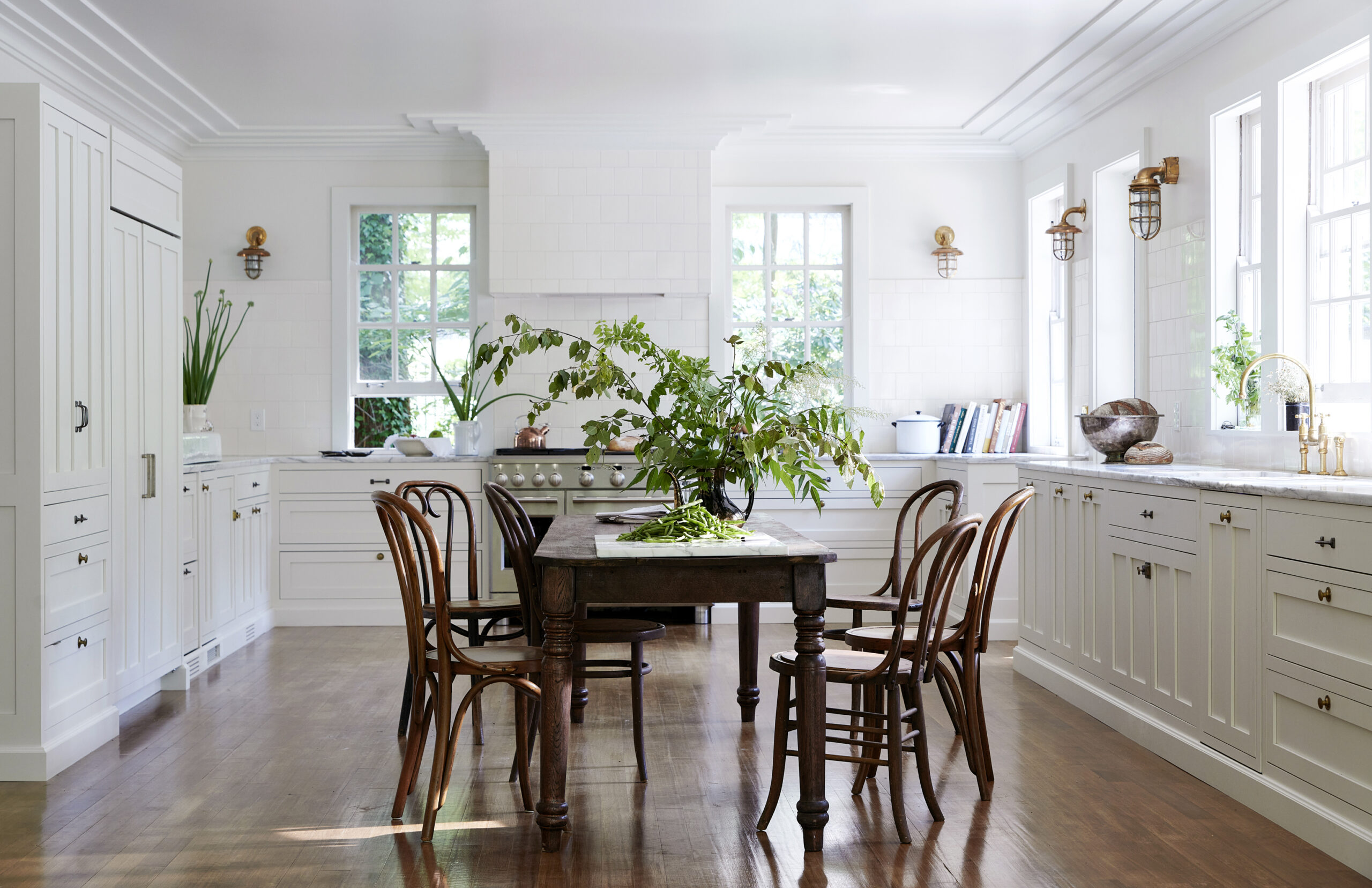
I’ll always stick to a tonal, monochromatic look. Whether it’s white on white or pink layered with rust tones, I’ve always been drawn to a strong color story. Limiting the palette actually gives me more freedom to play with texture, materials, and shape — it keeps a space feeling calm but never boring.