Meet Mini Byers, co-owner and general manager of Cowhorn Vineyard & Garden, Johan Vineyards, Tu Tu’ Tun Lodge, and Cowhorn Kitchen & Wine. She leads business operations, marketing, and creative across all properties, shaping a cohesive experience through wine, hospitality, and guest experience.
Raised in a family rooted in wine and hospitality, Mini began working harvest at a young age, developing an early understanding of vineyard life. She studied Marketing at The New School in New York and built her career in communications with the Council of Fashion Designers of America, goop, and True Story Brands. In 2021, she returned to the West Coast to lead and grow her family’s wine business in Oregon. Her work is grounded in biodynamic farming, site-driven wines, and a thoughtful, design-forward approach to hospitality.
We sat down with Mini to chat all things wine and business, follow along with our conversation below!
a conversation with Mini…
1
Let’s start from the beginning! Tell us a little about the journey that led you to where you are now.
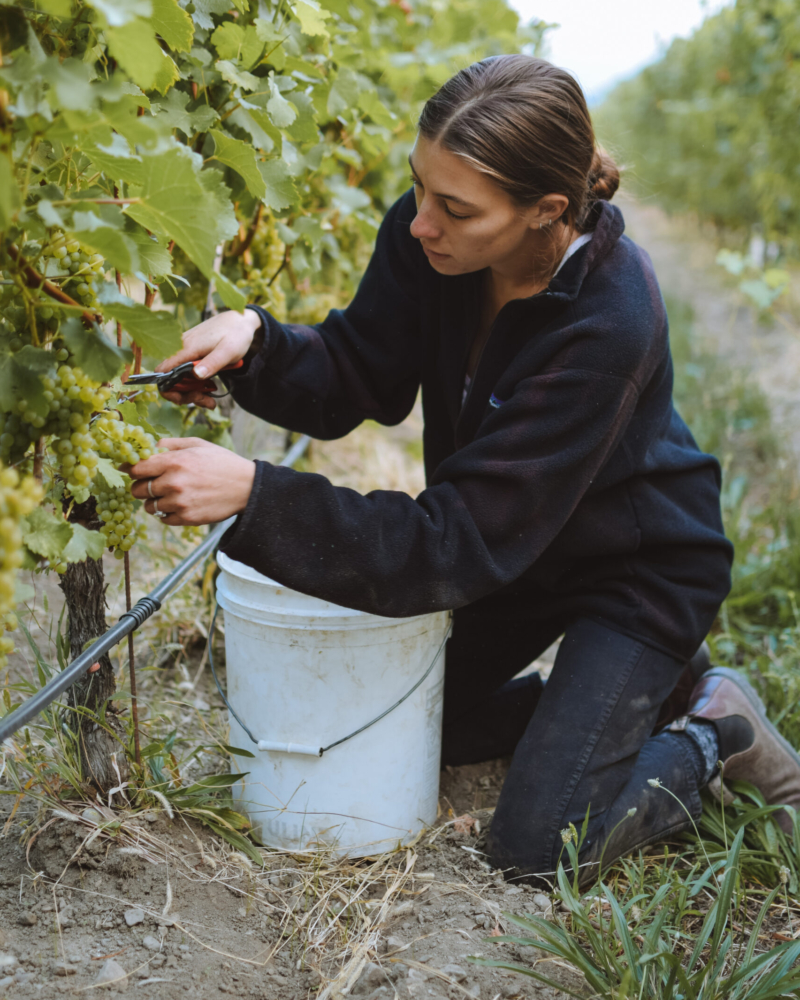
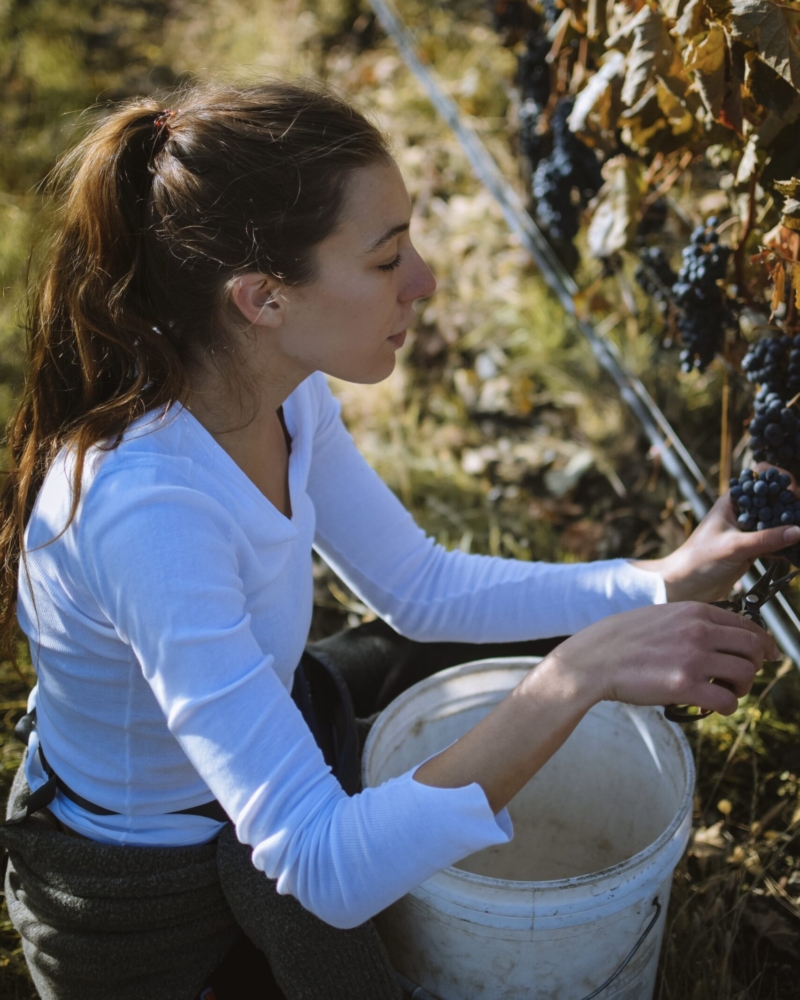
I grew up surrounded by hospitality in its most natural form. My parents hosted dinners at our house constantly, often with other winemakers, so the table was always full and the conversations always centered around land, wine, and gathering. At the same time, I was in the vineyards from a very young age. I would leave school for harvest, working alongside the crews, learning the rhythm of it all before I even understood it. One of my earliest and most lasting memories is when my family purchased one of our first vineyards. I was eight and didn’t want to go into town for coffee, so they left me alone on 500 acres. When they came back, they had to drive around for nearly 25 minutes to find me, somewhere out in it all. We had been camping there, so it wasn’t unfamiliar, but that kind of independence and immersion in the land shaped me early. Being in a vineyard was never something separate, it was simply part of who I was.
Like a lot of people, I pivoted when I left for college. I moved to New York, studied marketing, and built a career in communications and brand, working in fashion and hospitality. It gave me a completely different perspective and a skill set I didn’t even know I would need later. After some time, I moved to Atlanta, and it was there, after a few unexpected turns, that I realized it was time to return to what I knew best.
In 2021, I came back to the West Coast to lead and grow our family’s wine business in Oregon. Now, everything feels connected. The early years in the vineyard, the instinct for gathering, and the experience building brands and stories all come together in the way I approach wine, hospitality, and creating something that feels both intentional and deeply rooted in place.
2
You have familial roots in the wine world, plus an educational and working background in marketing and branding – How do these experiences intersect to shape your business approach?
For me, it all comes back to a feeling. Growing up in wine and hospitality, I learned that the most meaningful experiences are the ones that feel like home. Not forced, not over designed, just thoughtful, generous, and deeply authentic.
My background in marketing and branding gave me the tools to translate that feeling into something tangible. How something looks, how it’s communicated, how a guest moves through a space or an experience. It all matters, but only if it feels honest.
So the intersection of those two worlds is really about alignment. The wine, the land, the table, the design, the service. Everything should feel good, natural, and considered, while also being visually beautiful and emotionally resonant. That mindset shapes how I run the business day to day, from how we design spaces and train our teams to how we communicate and present our wines.
If it doesn’t feel authentic, people know. And if it does, they settle in, they connect, and they stay a little longer.
3
How would you define the perfect glass of wine?
How would you define the perfect glass of wine?
The perfect glass of wine isn’t really about perfection. It’s about alignment.
It’s the right bottle, opened at the right moment, with the right people, in a place that allows you to slow down and actually feel it. It reflects where it came from, the season, the hands that made it, but it also meets you exactly where you are.
Technically, it can be beautiful, balanced, expressive. But what makes it perfect is something harder to define. It feels effortless. It invites another sip without asking too much.
At its best, a perfect glass of wine doesn’t just taste good. It makes everything around it feel a little more complete.
But if I had to be specific, it’s a Syrah in the spirit of Côte Rôtie. Something elegant and lifted, where the power is restrained. Aromatics first, violet, olive, a touch of pepper, then a palate that is fine, structured, and quietly persistent. It carries weight without heaviness and lingers just long enough to make you reach for it again.
4
Can you share more about how you cultivate biodynamic farming systems and sustain biodiversity across each property?
For us, biodynamics isn’t a layer we add on, it’s the foundation. It starts with seeing each property as a living system, not just a vineyard. The goal is always balance. When the land is in balance, the vines respond, and the wines follow.
We focus heavily on building soil health. Composting is a big part of that, often done in collaboration with local partners, and applied back to the vineyard to bring life and structure into the soils. We work with cover crops that are selected with intention, not just for nitrogen, but for what they contribute to biodiversity, root depth, and microbial life.
We’ve recommitted to the full biodynamic cycle, preparing and applying our own preparations on site, timed to the rhythms of the season. That work is quiet but incredibly impactful. It’s about strengthening the vitality of the farm over time rather than chasing short term results.
Beyond the vines, we think about the entire ecosystem. Encouraging beneficial insects, maintaining native plant corridors, integrating animals where it makes sense, and minimizing outside inputs. Each property has its own expression, but the approach is consistent. Listen first, intervene only when necessary, and always with the long view in mind.
At the lodge, Tu Tu’ Tun, that philosophy has meant returning to something more natural. Letting the grasses grow, softening the edges, and allowing the landscape to move a little more freely. We also rehabilitated a creek that runs between the OOD cabins and the main lodge, bringing it back to life as both a natural habitat and a connective thread through the property.
At the end of the day, it’s about stewardship. Creating systems that are resilient, self-sustaining, and alive, so that what comes from the vineyard and the land feels true to that place and that moment.
5
How do you create wine that respects tradition while embracing thoughtful evolution?
How do you create wine that respects tradition while embracing thoughtful evolution?
For me, it starts with respect. Respect for the land, for the varieties, and for the generations of winemaking that came before us. Tradition gives you a foundation. It teaches restraint, patience, and how to listen rather than impose.
For us specifically, tradition comes down to the varieties at each property. We focus on doing those justice, creating clean, quality wines that reflect time and place as clearly as possible. That is always the anchor.
At the same time, I don’t think tradition should ever feel static. Each site, each season, and each team brings something new, and it’s important to stay open to that. Thoughtful evolution comes from paying attention, asking why, and making small, intentional decisions that move things forward without losing the core of what makes the wine true to its place.
We work with native fermentations, avoid heavy manipulation, and let the vineyard lead. But within that, there’s room to refine. Whether it’s how we approach élevage, how we think about blending, or how we experiment with certain vessels or techniques, it’s always done with care and purpose.
It’s a balance. Holding onto what matters, while allowing space for the wine to become what it wants to be in that moment. When it’s done right, you don’t feel the push or the change. You just feel that the wine is grounded, expressive, and quietly evolving.
6
Tell us what a typical day-in-the-life looks like for you.
Tell us what a typical day-in-the-life looks like for you.
Right now, a “typical” day is hard to define because there are really two versions of my year.
From November through May, I’m on the road, focused on building awareness and selling our wines across East Coast markets. Those days are full. Meetings with buyers, time in restaurants, tastings, events, constantly sharing who we are and what we do. It’s a different kind of energy, but it’s essential. You’re out in the world, creating connection and making sure the wines have a place at the table.
Then in June, I return to Oregon, and everything shifts. I’m back at the vineyards and properties, working closely with the teams across every part of the business. There isn’t really a single lane. I move between the vineyards, the winery, the lodge, the restaurant, marketing, sales, and team management. Some days are strategic, others are incredibly hands on, and a lot of them are both at once.
I do a bit of everything. Supporting the teams, shaping the brand, selling the wines, and tending to the details that keep it all moving forward. It’s layered, and at times intense, but it’s also what keeps everything connected.
7
What are your favorite rituals around wine and sharing it with others?
What are your favorite rituals around wine and sharing it with others?
It always comes back to the table. Not in a formal sense, but in the feeling of gathering. Opening a bottle without overthinking it, letting it be part of the moment rather than the center of it.
I love the ritual of slowing down just enough. Cooking something simple, pouring the first glass, letting the wine open alongside the conversation. It’s rarely about perfect pairings or perfect timing. It’s about creating space for people to settle in and feel comfortable.
I also really value sharing wines in a way that feels approachable. Passing a bottle around, talking about it if it comes up, but not forcing it. Letting people experience it in their own way.
More than anything, wine is connection. It creates a rhythm, a reason to gather, a way of being present with one another. Over time, those moments build on each other, and that’s where the meaning lives.
8
What’s next for you? How do you hope to see the impact of your work take form?
What’s next for me is really a continuation of what we’re building, just deeper and more intentional. I hope to see a return to the way wine should be made. Thoughtfully, without unnecessary additives, without chasing scale for the sake of it, and with a real commitment to place. Wines that feel honest, that reflect where they come from, and that people can trust.
The same goes for hospitality. Creating experiences that are genuine, not overworked, and rooted in care. Spaces that feel good to be in, where people feel welcome and at ease, and where the barrier to entry isn’t so high that it loses its warmth.
If there’s impact, I hope it looks like more people choosing authenticity. Slowing down, gathering, and valuing things that are made with intention. And in our own way, continuing to create places and wines that people return to because they feel something real there.
rapid fire with Mini…
1
Red wine or white wine?
Red wine!
2
Morning person or night owl?
Morning person! My “coffee time” is the most important time of the day.
3
Favorite wine for the spring season?
A light, chilled red.
4
One product that’s always in your bag?
A stuffed bunny (literally, always at least one of my daughter’s many stuffed animals!)
5
How do you relax and unwind?
A walk, a glass of wine, and snuggling with my daughter.
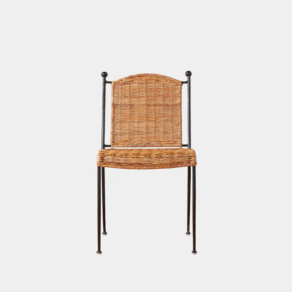
Felicia Indoor / Outdoor Dining Chair
$600
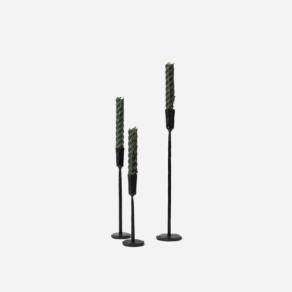
Chloe Taper Candle Holder
From $28
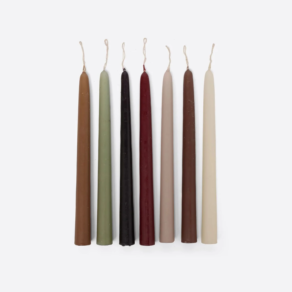
Taper Candles
$4
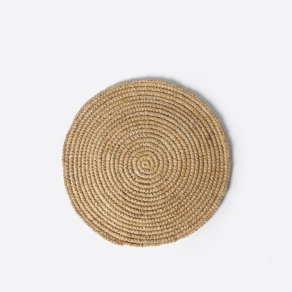
Roland Raffia Placemat
$24
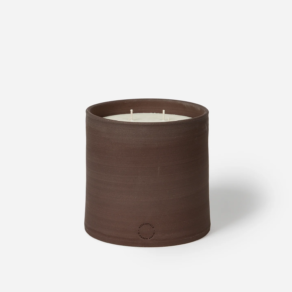
Essentials Candle
$485
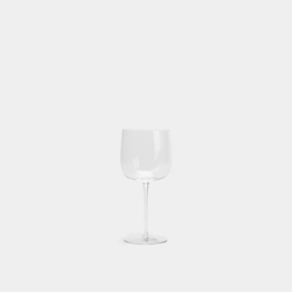
Monroe Wine Glass
$21
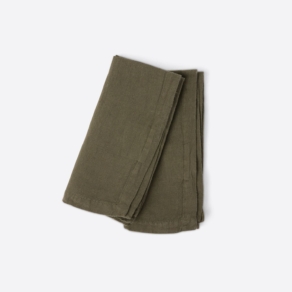
Celia Napkin
$28
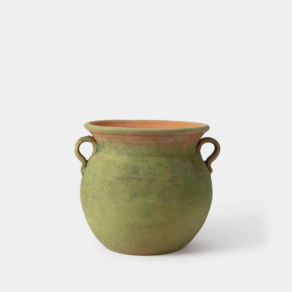
Aged Terracotta Urn
$90
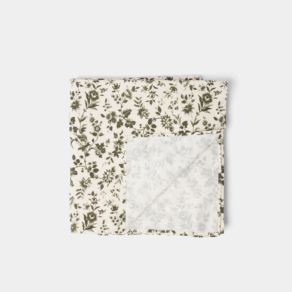
Jade Tablecloth
$190
Spanish Wine Glass
$14